12 Oct 2026
Macau Gaming Crime Figures Show Targeted Increases in Fraud and Currency Exchange During Early 2026

Macau recorded 1,951 gaming-related crimes in the first nine months of 2026, which represents a 12.3 percent increase from the 1,737 cases documented during the same stretch of 2025. The uptick occurred even as overall crime across the territory declined by 0.9 percent in that period, a contrast that draws attention to specific categories within the gaming sector. Figures reveal that fraud and illegal currency exchange accounted for much of the rise, while several other offense types moved in the opposite direction.
Breakdown of Key Crime Categories
Fraud cases climbed 21.3 percent to reach 558 incidents, a development that stands out because it outpaced the growth rate for gaming crimes as a whole. Illegal currency exchange tied to gambling activities increased 11.9 percent and totaled 404 cases, adding further weight to the overall total. These two areas together explain the bulk of the expansion in gaming-related offenses, according to the available statistics report for January through September 2026.
At the same time, categories such as illegal lending and unlawful detention registered declines, which helped moderate what could have been a steeper rise. Observers note that the selective nature of these shifts suggests enforcement efforts may have produced measurable effects in certain segments while others continued to expand. Data shows the net result left gaming crimes higher year over year even though the broader crime picture improved slightly.
Placing the Numbers in Context
The first nine months of 2026 cover a period when Macau's gaming industry continued to operate under established regulatory frameworks, yet the statistics indicate that particular forms of misconduct persisted at higher volumes. Researchers tracking these patterns point out that fraud often involves schemes targeting visitors or local participants in casino environments, whereas illegal currency exchange typically centers on bypassing official channels for chip purchases or winnings conversion. Both activities have appeared in prior reporting cycles, though the 2026 increments mark a departure from the previous year's levels.
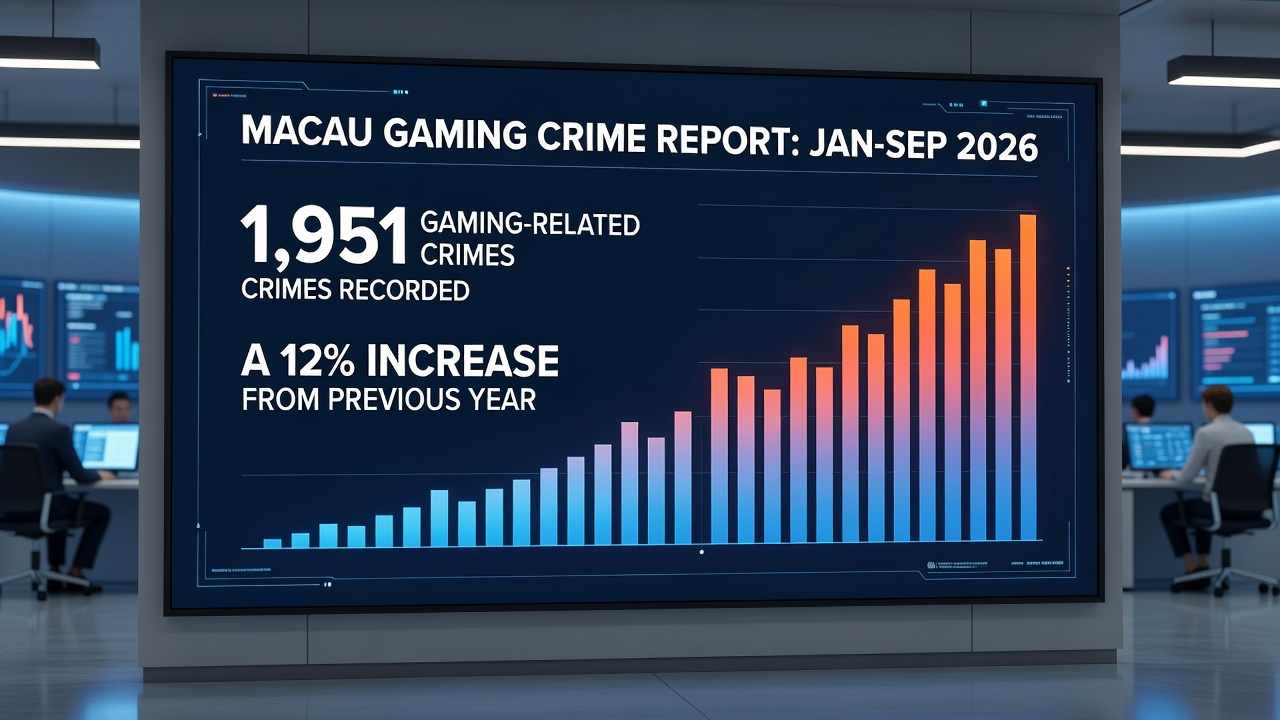
Overall crime falling 0.9 percent provides a useful counterpoint because it demonstrates that the increase in gaming offenses did not reflect a general deterioration in public safety across Macau. Instead, the data isolates the movement to a narrow set of offenses linked directly to gambling operations. Those who've examined similar reports from earlier years often find that gaming-related crimes can fluctuate independently of broader trends, a pattern that appears to hold again in 2026.
Drivers Behind the Observed Changes
Analysts examining the 12.3 percent rise have identified fraud and illegal currency exchange as the primary contributors, with their respective percentage gains exceeding the average for the category. The 558 fraud cases and 404 currency exchange cases together represent a sizable share of the 1,951 total, which helps explain why other reductions did not fully offset the growth. Evidence suggests that increased visitor traffic or changes in enforcement priorities could play roles, though the statistics themselves do not specify causation.
Declines in illegal lending and unlawful detention, by contrast, indicate that some longstanding concerns within gaming circles may be receiving sustained attention. People familiar with Macau's regulatory environment note that targeted operations sometimes produce such mixed results, where progress in one area coincides with pressure elsewhere. The 2026 figures illustrate this dynamic without assigning blame or credit to any single factor.
Looking Ahead from October 2026
With the first nine months now complete, attention turns to how the final quarter of 2026 might influence year-end totals. The current trajectory shows gaming crimes on pace for an annual increase unless later months bring offsetting reductions. Authorities have not released forward-looking statements tied to these particular numbers, yet the contrast with the 0.9 percent drop in overall crime continues to frame discussions around resource allocation and monitoring strategies.
Statistics from the period also highlight that gaming-related offenses remain a distinct subset within Macau's larger crime landscape. This separation allows for focused examination of trends that affect casinos, junket operations, and associated financial activities without conflating them with unrelated incidents. The 1,951 cases therefore serve as a benchmark for evaluating whether subsequent enforcement measures narrow the gap observed between 2025 and 2026.
Conclusion
The reported increase in gaming-related crimes during the first nine months of 2026 stems primarily from higher fraud and illegal currency exchange volumes, even while overall offenses declined modestly. These details, drawn from official tallies, provide a clear snapshot of how specific categories behaved amid stable or improving conditions elsewhere in Macau's crime statistics. Further updates expected later in the year will determine whether the pattern persists or reverses.