23 Nov 2026
How Mobile Interfaces Are Redefining Real-Time Choices in Combined Wagering Ecosystems
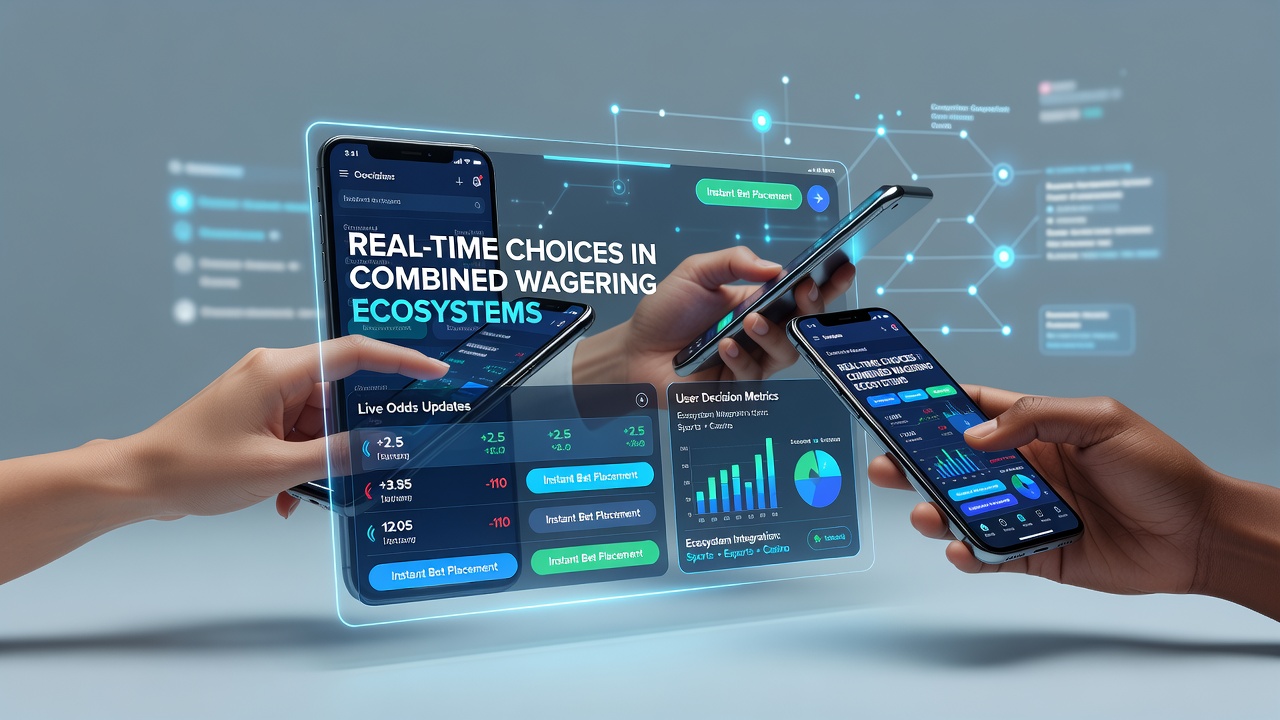
Combined wagering ecosystems integrate sports betting with casino-style games on single platforms, and mobile interfaces now drive how participants adjust decisions during live events. These interfaces deliver continuous data streams that update odds, game outcomes, and promotional triggers within seconds of each change, which allows users to respond without switching applications or reloading pages. Observers note that touch-based navigation and gesture controls have replaced traditional click sequences, reducing the time between seeing new information and placing a wager.
Interface Features Supporting Instant Adjustments
Real-time choice mechanisms rely on layered displays that present multiple data types at once, such as live match statistics alongside slot game progressions or table game results. Swipe motions let users expand or collapse sections containing betting markets, while embedded timers count down to the next available wager window. Push notifications arrive with customisable priorities, so participants receive alerts only for events they have previously marked as relevant, which keeps screen clutter low during extended sessions. Data from regulatory filings in Ontario shows increased session lengths on mobile devices when these notification controls are active, compared with earlier platform versions that lacked selective filtering.
Animation timing and loading sequences have been optimised to match typical network conditions in urban areas, where users move between Wi-Fi and cellular connections frequently. According to figures released by the Alcohol and Gaming Commission of Ontario, mobile wagering volumes in the province reached record levels through the first three quarters of 2026, with the largest share occurring during evening hours when multiple live sports events overlap with casino promotions.
Data Integration and Decision Timing
Combined platforms pull feeds from sports leagues, casino software providers, and third-party analytics services into unified mobile dashboards. These feeds refresh at intervals measured in milliseconds for high-traffic markets, which means odds displayed on screen can shift between the moment a user views a selection and the moment the bet is confirmed. Interface designers compensate by highlighting the most volatile markets with colour changes or brief vibration cues, directing attention without requiring constant visual scanning.
Researchers tracking user interaction logs have documented that average decision intervals have shortened as interfaces incorporate predictive elements, such as suggested stake amounts based on current balance and recent activity. One study from a Canadian academic group examined anonymised session data and found that players who enabled real-time suggestion tools placed more bets per session than those who kept default settings, though total spend patterns remained consistent across both groups.

Regional Patterns Observed in Late 2026
November 2026 brought expanded 5G coverage in several Australian states, and platform operators reported corresponding rises in mobile engagement during major international sporting tournaments. Victorian Commission for Gambling and Liquor Regulation data indicated that wagering activity on hybrid apps increased by measurable margins on weekends when multiple cricket and football matches ran concurrently with casino jackpot timers. The same reports noted that users in regional areas with newer network infrastructure completed more in-play adjustments than those on legacy connections, pointing to infrastructure as a direct factor in interface effectiveness.
European markets have followed a parallel path, with operators in several member states integrating compliance layers directly into mobile flows. These layers present age-verification prompts or spending-limit reminders at natural pause points, such as after a user switches from a sports market to a casino title. Industry summaries suggest that such integrated prompts maintain session continuity while meeting local requirements, reducing the need for separate pop-up screens that previously interrupted decision sequences.
Future Interface Developments Under Discussion
Developers continue to test augmented overlays that project additional statistics onto live video feeds without covering core betting controls. Early trials in controlled environments have examined whether voice commands can supplement touch inputs for users who prefer hands-free operation during extended viewing. Regulatory bodies in multiple jurisdictions continue to review these features for fairness and transparency standards, focusing on whether automated suggestions meet disclosure rules already applied to static odds displays.
Platform analytics teams monitor heat maps of finger movements across different device sizes, adjusting button placement and scroll sensitivity accordingly. These adjustments aim to keep primary actions reachable within one-handed operation, a pattern observed across both tablet and smartphone formats in combined wagering environments.
Conclusion
Mobile interfaces have become the primary channel through which participants in combined wagering ecosystems exercise real-time choices, supported by continuous data integration, gesture-based controls, and region-specific compliance tools. Records from November 2026 illustrate ongoing growth in mobile volumes alongside infrastructure upgrades, while regulatory oversight adapts to new presentation methods. The technical and operational patterns documented across jurisdictions indicate that interface refinements will continue to shape the speed and structure of decisions available to users on these platforms.